Art Ambassadors
An Art Ambassador acts as a pupil representative and champion for their subject. Their role is to help promote enthusiasm for art across the school, support staff in developing learning, and give pupils a voice in shaping how art is taught.
Role Description - Main Responsibilities
Promote a Love for Art:
- Encourage other pupils to take an interest in art.
- Share interesting artwork, sketchbooks, facts or news in assemblies, newsletters, or on display boards.
Support Learning Across the School:
- Help teachers with art-themed events, such as the Let Your Light Shine art exhibition or whole school art days.
- Assisting with school trips to galleries.
Assist with Art Clubs:
- Support teachers in running art and crafts clubs by helping set up resources, encouraging pupil participation, and suggesting engaging topics or activities.
- Help promote the club to other pupils and gather feedback on what they enjoy or want to learn more about.
Represent Pupil Voice:
- Gather feedback from classmates about what they enjoy in art lessons and what could be improved.
- Attend regular meetings with the art subject lead or school council to share ideas and feedback.
Help with Displays and Resources:
- Assist in creating or updating classroom and corridor displays.
- Suggest books, websites, or resources that pupils have enjoyed or found useful.
Celebrate Creative Achievements:
- Recognise and celebrate achievements in art.
- Help promote diversity in art by highlighting different cultures, viewpoints, and historical figures.
Model Good Learning Habits:
- Demonstrate curiosity, enthusiasm, and creativity during art lessons.
- Set a good example by completing work to a high standard and showing a respectful attitude to different artistic perspectives.
What Makes a Good Art Ambassador?
- A passion for art.
- Strong communication skills.
- Responsible, reliable, and organised.
- Willing to take part in events, clubs, and extra tasks.
Meet Our Art Ambassadors
.jpeg)
Purnoor
Year 4
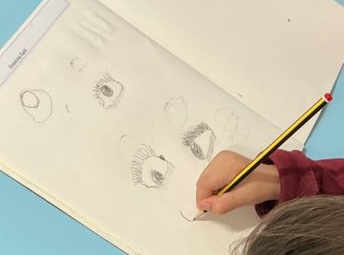
I wanted to be an Art Ambassador because art is my favourite subject. My favourite art lesson was when we learned how to draw an eye. I think I will make a good Art Ambassador because I help my friends by giving them feedback.
.jpeg)
Oliver
Year 4
I wanted to be an Art Ambassador because I think I am good at drawing and I like helping other people with their drawing. I enjoy the whole process of creating a piece of art but most of all I love looking at my final piece because it makes me feel proud.
.jpeg)
Tre
Year 5
I wanted to be an Art Ambassador because I love art! I love art because there are so many different types of art. In school, I enjoy that we get to work with a real artist!
Art Curriculum, Teaching & Learning and Assessment Outcomes
Curriculum
The intent of our Art curriculum is to inspire creativity, self-expression, and a lifelong appreciation of the visual arts in every child. We aim to provide a rich and inclusive learning experience that allows children to:
- Nurture their imagination and curiosity, encouraging children to explore new ideas and perspectives.
- Develop practical skills, providing hands-on experience that strengthens technical abilities.
- Engage in creative problem solving to foster critical thinking skills.
- Gain confidence in expressing their ideas visually, enabling clear and impactful communication through art.
- Cultivate an appreciation for the artistic contributions of others, promoting respect and inspiration from diverse creative works.
In the Early Years, our intent is to introduce children to foundational art concepts through play-based learning. We encourage them to explore a variety of materials, engage with and discuss works by both famous and local artists, and express their own creativity. This approach lays the groundwork for more formal art learning in the years ahead.
Teaching & Learning
To achieve our intent, we implement a dynamic and engaging Art curriculum that is well-structured and sequentially designed. Key elements include:
-
Curriculum Design
We have developed a clear progression framework that builds on prior skills and knowledge, ensuring that pupils develop a strong understanding and appreciation of art from Early Years through to Year 6. Projects are thoughtfully chosen to encompass a variety of techniques, artistic movements, and cultural contexts, including British and global art history, as well as local artistic traditions. In Early Years, children are introduced to basic artistic concepts through exploration with different materials, colours, and textures. Activities such as drawing, painting, and simple sculpture help children express their creativity and connect to their own experiences, such as drawing family portraits or observing the natural environment. These foundational skills lay the groundwork for more complex artistic practices in later years.
-
Teaching Strategies
Teaching is characterised by a range of interactive strategies, including hands-on workshops, collaborative projects, art critique sessions, and creative discussions. These methods not only engage pupils but also make the learning process dynamic and memorable, allowing students to explore different art forms and techniques in an active, participatory way.
-
Experiential Learning
Field trips and visits to local art galleries, as well as working with professional artists from the community, are integral to our art curriculum. These experiences provide pupils with hands-on exposure to the art world, allowing them to connect their learning to real-world artistic practice and gain inspiration from both contemporary and traditional art forms. Projects and learning activities are designed to spark creativity, such as creating original artwork, participating in group art installations, and presenting their work in collaborative exhibitions.
-
Adaptive Teaching
We use adaptive teaching strategies to support all learners, ensuring that pupils of all abilities can engage with and develop their artistic skills at their own pace. Lessons are differentiated through varied resources, groupings, and tailored prompts, allowing each student to connect with art concepts at their level.
-
Assessment and Feedback
Formative assessments are regularly conducted to monitor pupils’ understanding and engagement. Feedback is constructive and timely, aimed at encouraging reflection and self-improvement. Opportunities for review learning are embedded to help pupils revisit and consolidate key concepts over time.
Assessments track progress against the national curriculum expectations, allowing for tailored support as necessary.
Assessment Outcomes
The impact of our art curriculum is measured through various outcomes and indicators:
-
Pupil Engagement and Creativity
Observations show high levels of enthusiasm and creativity during art lessons. Many pupils express excitement about exploring different materials and techniques, with a keen interest in experimenting and developing their own artistic ideas.
-
Knowledge Retention and Artistic Understanding
Assessment data indicates that pupils consistently meet age-related expectations in art. They demonstrate a solid understanding of key artistic concepts, such as colour theory, composition, and different art movements, and are able to articulate their ideas clearly, often making connections to their personal experiences and prior learning.
-
Skills Development
Pupils leave St. Thomas’ with well-developed artistic skills, including critical thinking, visual analysis, and the ability to create original work using a range of media and techniques. This foundation prepares them well for further artistic study and creative expression in secondary education and beyond.
In Early Years, children begin to show an emerging understanding of art through exploration with colours, shapes, and textures, as well as through discussions about their own creations and experiences.
-
Cultural Awareness and Identity
Through their learning, pupils gain a deeper appreciation for art from different cultures and periods, helping them to understand their place in the world. This encourages respect for diversity and broadens their perspective, supporting values of empathy and inclusion.
-
Community Involvement
The curriculum promotes strong connections with the local community, including collaborations with local artists and opportunities to showcase student artwork in community exhibitions. These experiences enhance the relevance of art in the pupils’ lives and strengthen their sense of belonging and contribution to the local cultural scene.
In summary, our intent, implementation, and impact statements reflect our commitment to delivering an outstanding Art curriculum that not only meets the educational standards set by Ofsted but also nurtures creative, thoughtful individuals prepared to engage meaningfully with the world through artistic expression and an appreciation for diverse cultures and perspectives.
Overview of Art & Design

Art & Design in the Early Years
In the Early Years Foundation Stage (EYFS), art is integrated into the Expressive Arts and Design area of learning. Children are encouraged to explore their creativity and develop artistic skills through both independent and guided activities, helping them make sense of the world around them.
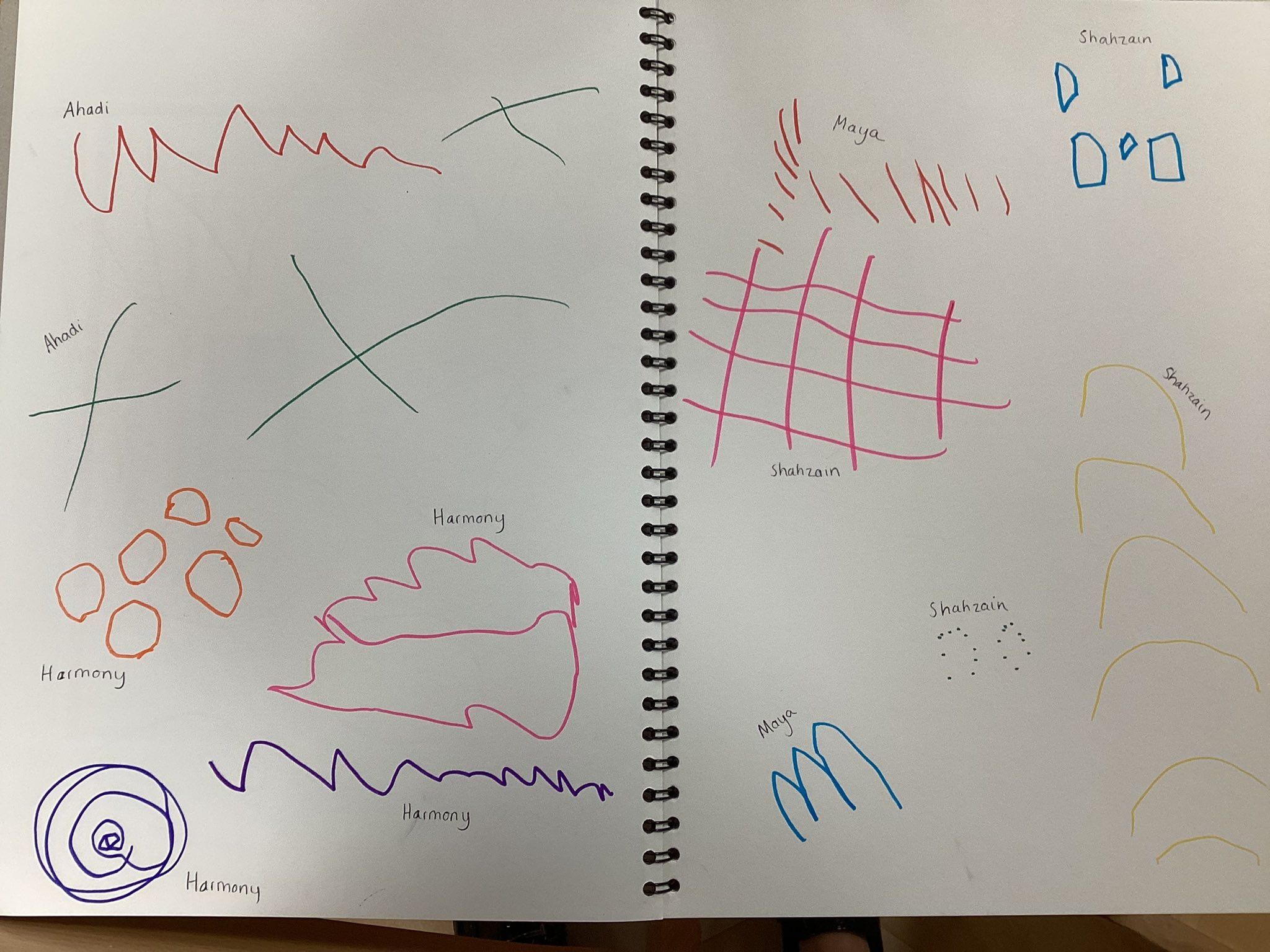
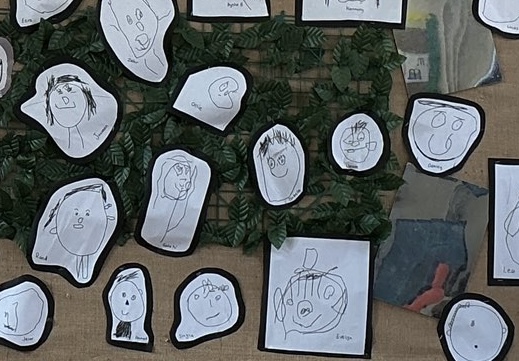
Mark-making is one of the first ways children develop their drawing skills. They begin by using simple shapes to represent real-life objects, such as circles and lines to create faces or animals. Children often draw faces as they learn about themselves and their families, making personal connections through their artwork. They also draw poppies to link their learning to real-life events and create images of plants and trees as they observe the world around them.
Painting is another key aspect of art in the early years. Children express their understanding of the seasons by painting trees that reflect the changes they have observed in nature. They explore colour, texture, and brush techniques to capture the essence of different seasons, from the vibrant colours of autumn leaves to the bare branches of winter. The also paint farm scenes based on real-world experiences, connecting their creativity to their everyday lives.
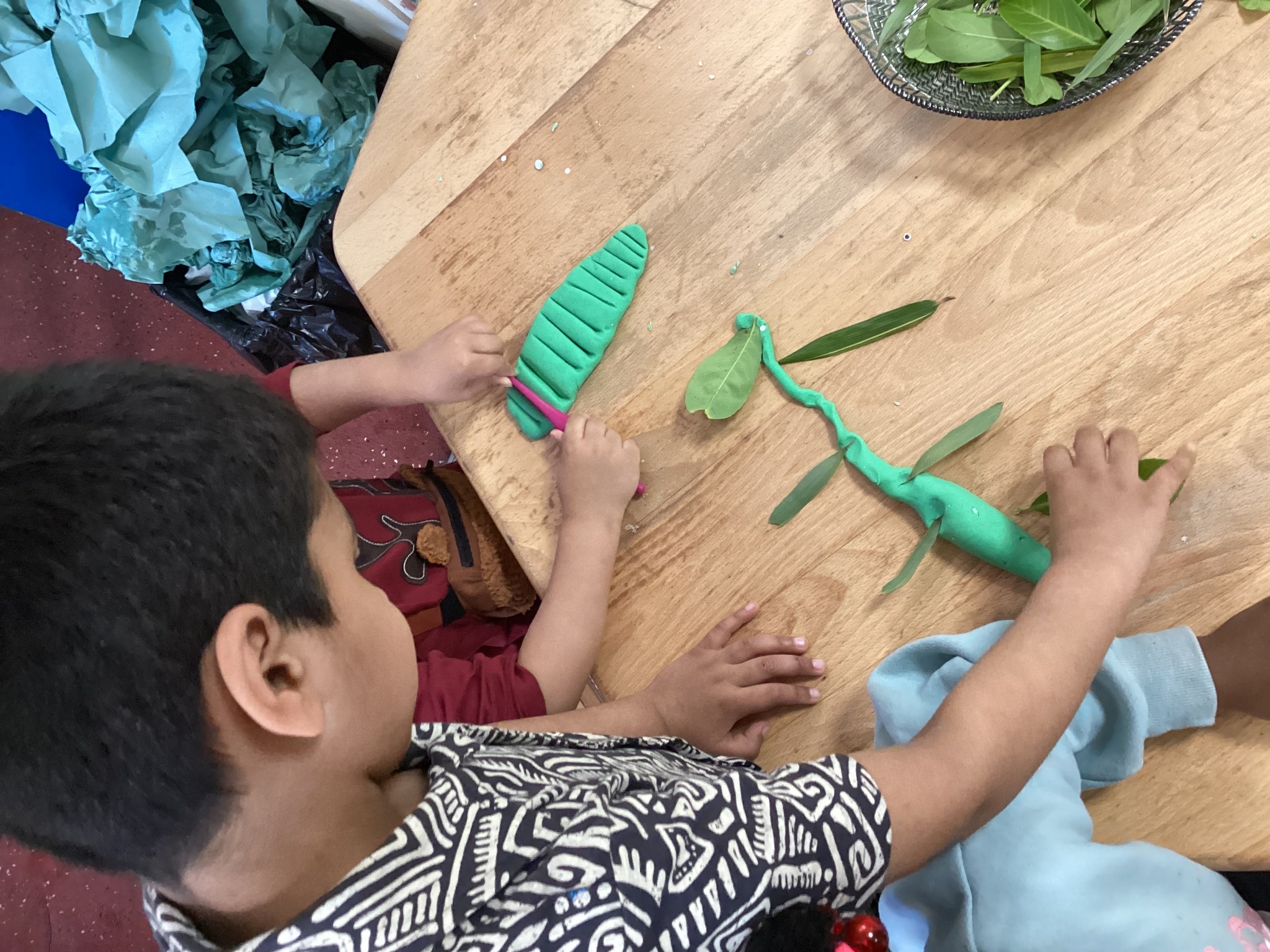
Sculpture plays an important role in children's creative development, introduced through hands-on exploration of malleable materials. Children have continuous access to materials like playdough, enabling them to experiment with shaping, moulding, and building three-dimensional forms. This open-ended play supports the development of fine motor skills, hand-eye coordination, and spatial awareness as they manipulate materials to represent objects, animals, or abstract shapes. Children also work with clay to create troll sculptures inspired by stories, bringing characters to life through tactile exploration.
Children are introduced to the work of artist Andy Goldsworthy and create sculptures using natural materials such as leaves, stones, and twigs. This connects their art to the natural world and encourages exploration of environmental art.
Through these activities, children develop early artistic skills such as mark-making, drawing, painting, and sculpture. They are encouraged to express themselves, experiment with different materials, and reflect on the world around them. Practitioners support this process by providing rich, hands-on experiences, storytelling, and opportunities for imaginative play, helping children develop a meaningful and age-appropriate understanding of art.
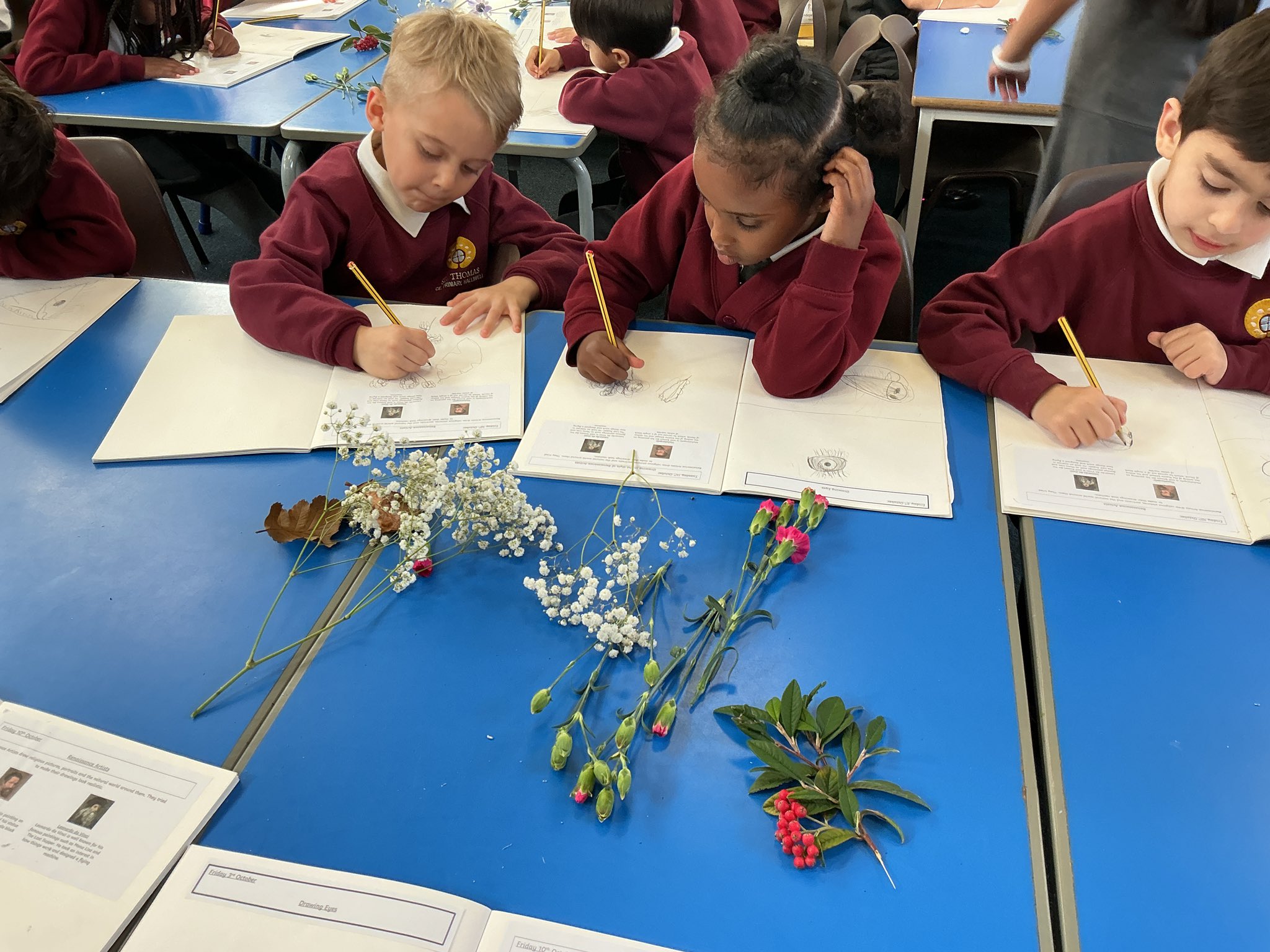
Achievements & Celebrations in Art
.jpeg)
.jpg)
.jpg)
.jpg)
.jpg)
.jpg)
.jpg)
.jpg)
.jpg)
.jpg)
.png)